
Quinoa is naturally gluten free and is an increasingly popular alternative to gluten grains. However, depending on how and where it’s processed, it could be cross-contaminated with gluten.
So you should buy only quinoa specifically labeled gluten free if you follow a gluten free diet. It’s one of several gluten free grains and pseudo-grains that can replace gluten grains. But, as always with gluten free foods, it’s not quite that simple.
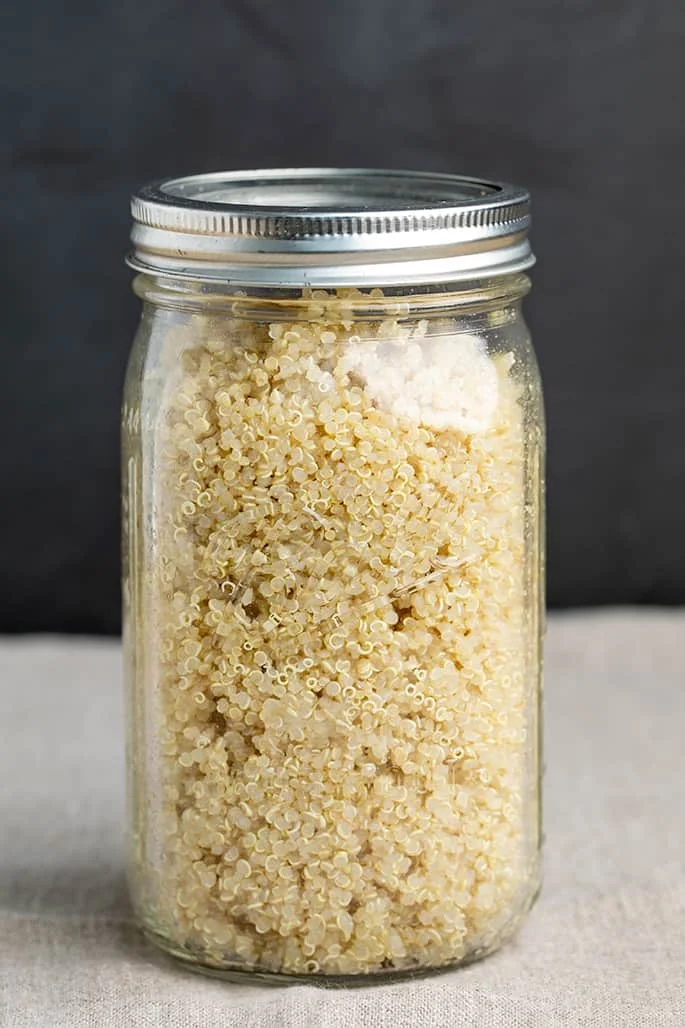
In a nutshell: Is quinoa gluten free?
Yes, quinoa is naturally gluten-free. It’s a safe and nutritious alternative for individuals who follow a gluten-free diet due to celiac disease or non-celiac gluten sensitivity.
But, because wheat, rye, and barley are so prevalent in the food chain, quinoa, like many gluten alternatives, is at risk of cross contamination. This is why it’s so important to only buy certified gluten free quinoa.
Quinoa is often grown and/or harvested alongside wheat or other gluten grains and, even if it’s not, it may be processed in a factory or on equipment that also processes gluten. And, unless a purity protocol is followed to ensure no cross contamination, the quinoa wouldn’t be safe for those with gluten sensitivity.
What is quinoa?
Quinoa isn’t a true grain. It’s a seed. But because of its rich nutritional profile and high fiber and protein content, it’s considered a pseudocereal.
Native to South America, quinoa is an ancient grain-like seed that’s gained in popularity in recent years because of its suitability as a gluten alternative and because of its nutrient-dense composition.
Quinoa can be traced back to around 7,000 years ago and was known by some cultures as the “mother grain”.
Although it’s not a true cereal grain, because of its impressive nutritional makeup, it’s considered a whole grain. And, because it’s gluten free (as long as it’s not contaminated), it’s safe for celiac patients and those with gluten sensitivity.
There are over 3,000 varieties of quinoa, but the most common are red, white, black, or sold together as tricolor. White quinoa is the type you’ll most likely find at the store and tends to cook the fluffiest, and cooks up less chewy.
Both red and black quinoa slightly higher quantities of antioxidants and vitamin E than white quinoa. Black varieties have the lowest fat content but are highest in omega-3 fatty acid and carotenoids.
Because of its nutrition, quinoa is an important member of the gluten free “grains” available to those on a gluten free diet.
Other gluten free “grains”
Aside from the pseudograin quinoa, there are a handful of gluten free grains suitable for celiac patients and those on a gluten free diet. While all of these options are naturally gluten free, it’s important to remember that they’re only considered safe if they have a certified gluten free label.
- Amaranth
- Buckwheat
- Millet
- Sorghum
- Teff
- Oats
- Rice
- Corn
Quinoa Recipes
If you need to avoid eating gluten with a strict gluten free diet, you need some solid gluten free alternatives to gluten containing grains to help you maintain a healthy, balanced diet. And quinoa is a great option to add variety, fiber, protein, and plenty of vitamins and minerals. Take a look at some of my favorite gluten free recipes featuring quinoa including my gluten free burger buns or Hawaiian rolls.
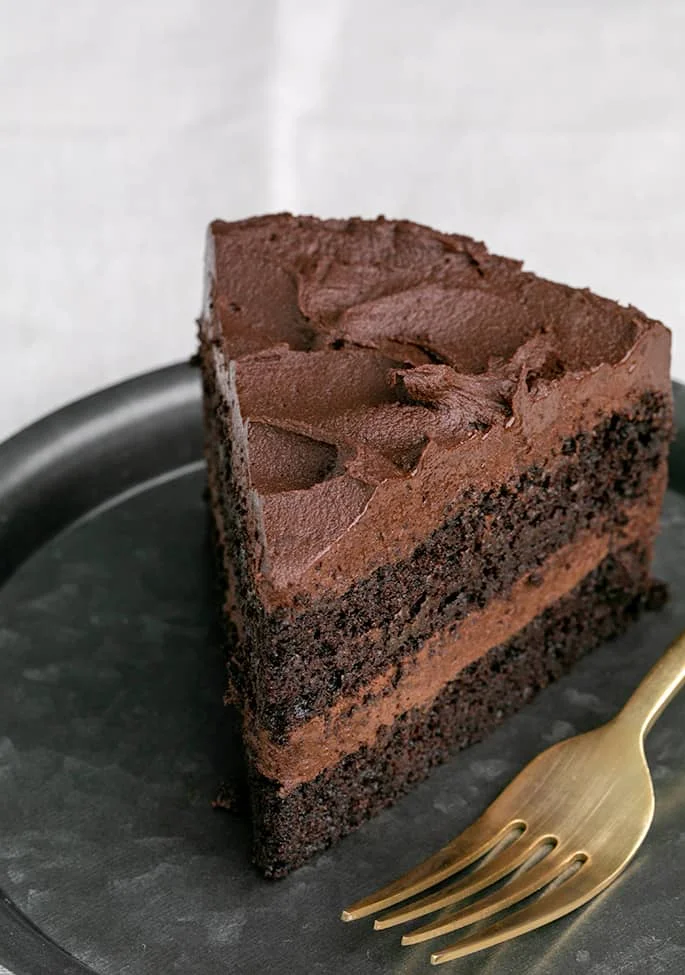
Quinoa chocolate cake recipe
View Recipe
Gluten Free Maple Almond Quinoa Clusters
View Recipe
FAQs
Is black quinoa gluten free?
Yes, black quinoa is gluten free as long as it’s free of cross-contamination. While not as readily available as white quinoa, black quinoa has around twice the vitamin E content of white.
Is red quinoa gluten free?
Yes, red quinoa is gluten free, like all other types of quinoa. And, it has a higher vitamin E and antioxidant content than white, although red is usually only found online and in specialty stores.
Is quinoa a protein?
Yes, quinoa is a complete protein as it has the full spectrum of nine essential amino acids that the human body needs but cannot produce on its own.
Is quinoa an inflammatory food?
No, quinoa isn’t inflammatory. In fact, quinoa has an abundance of anti-inflammatory phytochemicals, so it may actually help fight inflammation.
How to cook quinoa
Ingredients
- 1 cup raw quinoa
- 1.75 cups lukewarm water , plus more for rinsing
Instructions
Rinse the quinoa
-
Place the raw quinoa in a medium-size bowl and fill the bowl with lukewarm water. Transfer the quinoa to a fine mesh strainer. I find that this works better than the specialized colanders they have for rinsing grains.
-
With the quinoa still in the strainer, run lukewarm water over it until you can tell that the liquid coming out is no longer cloudy or soapy-looking.
-
Press the quinoa into the strainer to remove as much of the water as possible.
Boil the quinoa
-
Transfer the rinsed quinoa to a medium-size, heavy-bottom pot. Cover with the water from the recipe.
-
Cover the pot, and bring the quinoa and water to a boil over a medium-high flame. Reduce the heat to low, and allow the quinoa to cook for 15 minutes.
Let the cooked quinoa rest
-
Remove the pot from the heat without removing the lid. Allow the pot to sit, covered, for 10 minutes before removing the cover, fluffing the quinoa with a fork and serving.
Nutrition information is automatically calculated, so should only be used as an approximation.